Hearing aids don’t arrive already programmed for the person who will wear them. Even when you’ve chosen the right style and technology, the devices still need to be set for your hearing.

Your hearing levels, the physical fit and the way different sounds come through all influence how the devices are programmed. That work happens during the fitting process, when your audiologist begins turning the hearing aids from new devices into something set specifically for your ears.

What Is a Hearing Evaluation

A hearing evaluation measures how each ear responds to different pitches and volumes. It also looks at how accurately you recognize speech when words are presented at specific levels.

An audiologist records the softest sounds you hear across a range of frequencies and plots those results on an audiogram.

This shows which parts of your hearing are different and how much those levels vary between your ears. When hearing aids are being fitted, these measurements are used to set the amount of amplification needed across different frequencies.

How Hearing Test Results Shape Your Hearing Aid Settings

The audiogram gives the audiologist specific numbers to enter into the software rather than relying on one general volume setting. Those numbers are used with a fitting formula that calculates starting levels for soft, moderate and louder sounds across several frequency ranges.

The software also accounts for differences between your left and right ears, so each device may receive different settings. This creates the initial program your audiologist works from before checking how those settings perform while the hearing aids are on your ears.

Choosing a Hearing Aid Style That Fits Your Life

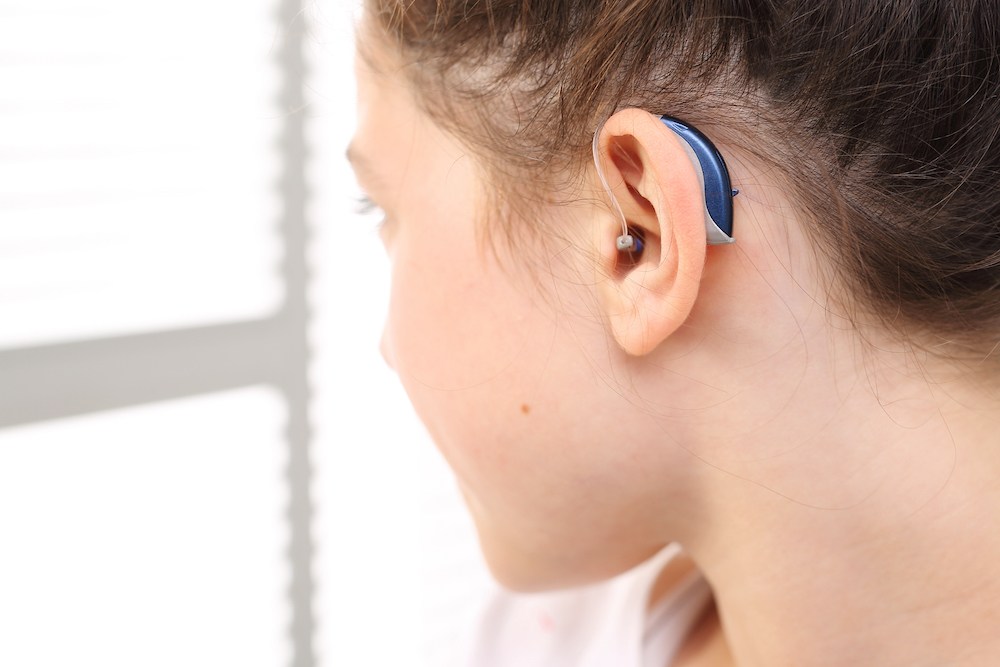
The style of hearing aid you wear changes how you handle it throughout the day. A behind-the-ear model leaves more of the device outside your ear, while in-the-ear models place more of it inside the ear.

That difference changes where the buttons are, how the device is inserted and what you’ll need to clean. If you wear glasses, use headphones or have difficulty handling small objects, those details may come up when discussing styles.

Your audiologist will also look at the shape of your ear and your hearing test results before discussing which designs are available for you.

How Audiologists Set Starting Programs and Volume Levels

Your audiologist uses your hearing test results to create the first program in your hearing aids. These initial settings control more than the overall volume, since different sounds may need different amounts of amplification.

During programming, your audiologist may set:

    • Amplification levels for different frequency ranges.
    • Separate settings for your left and right hearing aids.
    • Minimum and maximum volume levels.
    • How much softer sounds are amplified.
    • How the devices respond as sounds become louder.
    • Starting settings for different listening programs.
    • Limits that keep louder sounds within your hearing range.

Using Real-Ear Measurements to Confirm What You Hear

Your audiologist places a thin probe tube near the eardrum, then plays speech or other sounds through a speaker. The probe records the sound reaching your eardrum while the hearing aid is running.

Your audiologist compares those measurements with the levels calculated from your hearing test. If a frequency is louder or softer than the target, they can change that part of the programming and repeat the measurement.

Steps You Can Take Between Visits to Improve Your Hearing Aid Fit

Between appointments, pay attention to how your hearing aids sit after several hours of wear rather than checking them only when you put them in.

Make sure domes or earmolds are fully inserted each time, since a device that moves can feel different later in the day.

Clean the pieces that touch your ears so wax or debris doesn’t interfere with how they sit. If you develop soreness or pressure, write down where you feel it and how long you wore the hearing aids that day.

Leave changes to domes, earmolds or tubing to your audiologist so they can see what’s causing the fit problem before making an adjustment.

Getting the Best Solution for You

A hearing aid fitting doesn’t end when the devices are turned on. Once you wear them outside the office, you may hear things you want changed.

Those details can be discussed at your next visit. Your audiologist can adjust the programming or fit based on what you’ve heard.

You don’t have to guess whether a sound or fit issue needs to be changed. Your audiologist can check the devices and talk through what you’ve been hearing.

Adjustments may continue as you spend more time wearing them. If you need your hearing aids fitted or need to change the program, schedule an appointment with an audiologist.