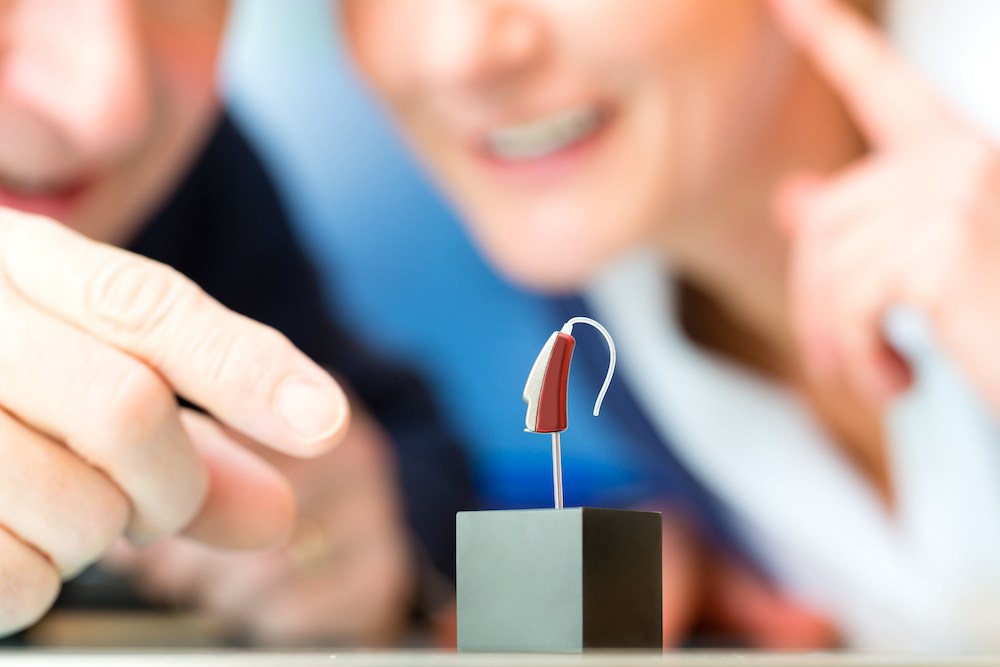
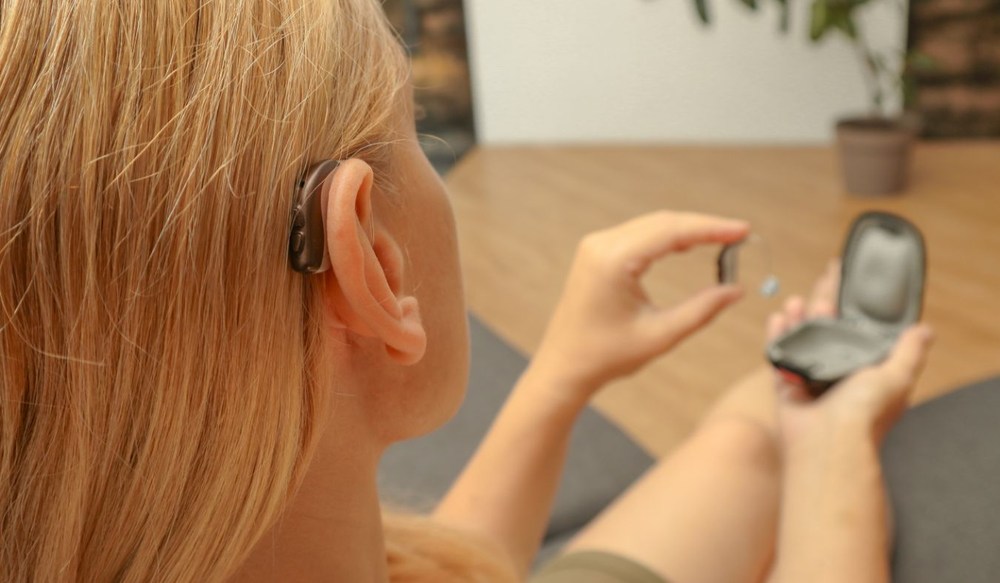
Getting hearing aids marks an important step in your hearing care. These devices make everyday sounds clearer and bring back details you may not have noticed for some time, like the hum of appliances or the soft movement of leaves outside. While regaining access to these sounds can feel different at first, it is a natural part of adapting to a new way of hearing. Learning how to care for your devices and understanding how they work can make the process smoother. By knowing what to expect and how to respond, you can make the transition to wearing hearing aids easier and feel confident.

What to Expect During the First Weeks with Hearing Aids

During the first few weeks with hearing aids, it’s common to experience changes that take some getting used to. Everyday sounds may seem sharper or more noticeable than you remember, and background noise might stand out in ways that feel distracting at first. Even your own voice can sound different, which sometimes makes conversations more tiring. These reactions are normal and part of the adjustment process as your brain learns to recognize and balance sounds again.

Wearing the devices themselves can also take time to get used to, especially if you’ve never had anything in your ears before. Some people notice mild itching or discomfort in the beginning, but this often eases as you gradually increase the time you wear them each day. Starting with a few hours and slowly working up to full-day use helps your ears adjust and makes hearing aids feel more natural. If any irritation continues, your audiologist can make adjustments to improve comfort. With steady use and patience, the process becomes easier and your hearing aids begin to feel like a regular part of daily life.

Noticing Changes in Everyday Sounds

When you first start using hearing aids, you may notice everyday sounds that you haven’t paid attention to in years. The click of a pen, the creak of a door hinge or the beeping of a microwave can suddenly stand out in ways that feel unexpected. Even small details, like the sound of your shoes on carpet or the tapping of keys on a keyboard, may seem louder than you remember. These moments can feel unusual at first, but they’re a normal part of adjusting as your brain re-learns how to organize and prioritize all the sounds around you.

Changes in familiar settings can also take some getting used to. At first, these sound can make environments seem busier, which might feel tiring. Over time, though, your brain adapts and learns how to filter out what isn’t important. This adjustment allows you to focus more easily on meaningful sounds, like following conversations, enjoying music or feeling present in your surroundings.

Handling Frustration and Uncertainty About Hearing Aids

It’s natural to feel frustrated or unsure when you’re getting used to hearing aids. At first, you might wonder if they are working the way they should or you may feel discouraged when certain sounds seem strange or harder to manage than expected. These challenges do not mean something is wrong; it simply takes time for your ears and brain to adjust. Being patient with yourself and asking questions during follow-up visits can make the process easier. The more you wear your hearing aids in different situations, the more comfortable you will become and small setbacks will start to feel like part of the learning process rather than roadblocks.

Helpful Ways to Communicate Clearly While Wearing Hearing Aids

Conversations can feel different when you start wearing hearing aids. Background noise, people talking quickly or someone covering their mouth can make it harder to follow what is being said. Ask others to speak clearly and face you while talking. Let friends and family know you may need them to repeat things or slow down. These small changes help reduce misunderstandings and make social situations more comfortable as you get used to your hearing aids.

Using Hearing Aid Features for a Better Experience

Modern hearing aids include features that can make listening in different environments feel more natural. Some models allow you to focus on a single voice during a family dinner, while others can reduce the noise of dishes in a restaurant. Many devices also offer Bluetooth connections, so you can listen to a podcast on the bus or hear directions from your phone while driving without needing extra equipment. Taking the time to learn how these tools work can help you feel more confident in a variety of situations.

As you continue to adjust, these features can become an easy part of your routine. You might use noise reduction when attending a community event, switch to a music setting during a concert or adjust the volume slightly while watching a movie with friends. If you are unsure how to get the most out of these options, your audiologist can guide you through the settings and show you how they fit into your daily life. With practice, these adjustments can help you stay more engaged and comfortable wherever you go.

Adjusting to Background Noise in Busy Environments

Busy places like restaurants, shopping centers or family gatherings can make it harder to hear clearly with hearing aids. Background noise may seem difficult at first, but there are steps you can take to feel more comfortable.

Try sitting with your back to a wall or choosing a spot away from loud speakers and kitchen areas. Focus on one conversation at a time and let others know if you need them to speak clearly or repeat something. Practicing in different settings helps your brain get used to picking out important sounds from background noise. These habits support more enjoyable social events.

Moving Forward with Greater Comfort and Confidence

Adjusting to life with hearing aids takes time, patience and support. The first few weeks bring new sounds and experiences, but small steps like practicing in different environments and keeping open communication with family help you feel more comfortable each day. Sharing your experiences during follow-up visits allows your audiologist to make helpful adjustments tailored to your needs.

If have just started wearing hearing aids or have been wearing hearing aids for awhile, there are several ways to adjust to life with hearing aids. If you want to learn more about your hearing aids or have any questions schedule an appointment with an audiologist. They will be able to answer any concerns you have, give you tips and make any adjustments you need.