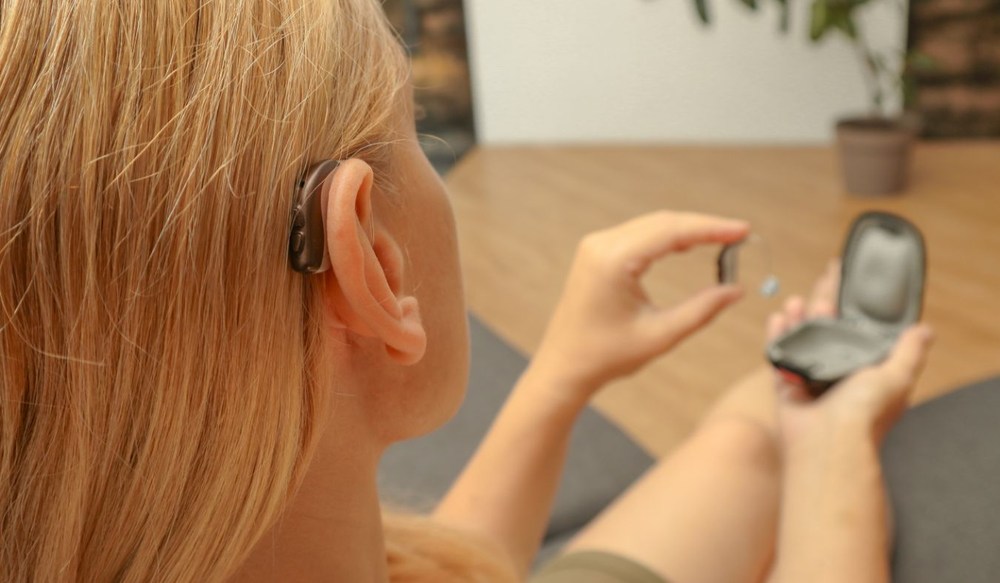
Choosing the right batteries for your hearing aids is an important step in making sure your devices work as they should throughout the day. With several types and sizes available, it can be difficult to know which option fits your needs best. The battery you use affects how long your hearing aids stay powered, how consistent the sound quality is and how often you’ll need to replace them. What works well for one person may not work for another, since hearing aid models and daily habits vary. Understanding the basics of battery types and how they match your routine can help you avoid common problems and give you a good listening experience.

Types of Hearing Aid Batteries

Hearing aid batteries are available in a few main types, each suited for different devices and wearers needs. Disposable zinc-air batteries are still commonly used and come in four standard sizes, each marked with a specific color to help tell them apart. These batteries are air-activated, meaning they start working once the sticker is removed and air enters the cell. How long they last depend on the size of the battery and how often you wear your hearing aids, but most need to be changed every few days to a week. They’re a practical choice for many people, especially those wearing behind-the-ear or smaller in-ear devices.

Rechargeable batteries offer an alternative to traditional disposable options and are now built into many newer hearing aid models. These batteries are designed to last through a full day of use and can be recharged overnight using a simple charging base. This option works well for people who want to avoid handling small batteries or replacing them often. Some individuals also prefer rechargeable devices for their environmental benefits and long-term convenience. The type of battery that’s best for you depends on your hearing aid style, how you use your device and your daily routine.

How Battery Size Affects Your Hearing Aid

Battery size can make a difference in both how long your hearing aid works and how easy it is to use. Smaller batteries can be harder to handle and may not last as long, which means you’ll need to change them more often. If you have trouble handling small objects or have limited dexterity, a larger battery might be easier for you. Larger batteries usually last longer between changes, reducing the need to swap them out during the week. If you prefer a more discreet hearing aid, smaller batteries are often required but will need changing more often. Think about what’s most important for your routine and talk with your audiologist for advice.

Disposable vs. Rechargeable Battery Options

When choosing how to power your hearing aids, you’ll usually decide between disposable batteries and rechargeable models. Disposable zinc-air batteries have been the standard for many years and are compatible with a wide range of hearing aids. They are easy to find in stores and are activated once the sticker is removed, providing several days to a couple of weeks of use depending on your hearing habits. Rechargeable hearing aids use built-in lithium-ion batteries that charge overnight in a dock or case.

While rechargeable options are only available with certain hearing aid models, they offer a more hands-off experience and reduce the number of batteries that get thrown away. Some people prefer the routine of charging their hearing aids each night, while others feel more comfortable with the flexibility of carrying extra disposable batteries. The decision between these batteries often depends on how you use your hearing aids, how comfortable you are with charging devices and your preferences around maintenance. Both types are effective and understanding the pros and cons of each can help you choose what works best for your situation.

What to Expect with Battery Lifespan

How long a battery lasts depends on the type and how you use your hearing aids. Disposable batteries usually work for three to ten days depending on size and usage. Rechargeable batteries are designed to last all day after a full charge but will need to be replaced every one to five years. Features like streaming audio from your phone or using special functions on your hearing aids can shorten battery life. Keeping track of your usage habits helps you plan for replacements and avoid losing power unexpectedly.

Daily Habits That Affect Battery Life

The way you use and store your hearing aids each day can have a noticeable impact on how long the batteries last. Leaving your devices on when you’re not wearing them, especially overnight, can drain power faster than expected. Using features like wireless streaming or volume adjustments frequently may also shorten battery life. Taking a few extra seconds to turn off your hearing aids when not in use and storing them in a dry case can help you get the most out of each battery.

Tips for Storing and Handling Hearing Aid Batteries

Taking care of hearing aid batteries starts with how you store and handle them each day. It’s best to keep them at room temperature and avoid placing them in areas that get too hot or cold, like cars or bathrooms, since extreme temperatures can affect how they work. Always keep batteries in their original packaging until you’re ready to use them, which helps prevent contact with other objects that might cause damage. Before handling a new battery, make sure your hands are clean and dry to avoid getting dirt or moisture on the surface. Never carry loose batteries with items like keys or coins, as this can lead to short-circuiting. For safety, always store batteries out of reach of children and pets.

Recognizing When It’s Time to Replace Your Battery

Knowing when to replace your hearing aid battery helps keep your hearing aids working well. Signs that it’s time for a new battery include weak or distorted sounds or the sound cutting out completely. Some hearing aids will beep or give a warning when the battery is low, while others may simply stop working without warning. If you notice these changes, keep spare batteries with you so you can switch them right away. Regularly checking and changing your batteries keeps your hearing clear and helps prevent interruptions in your day. If you use rechargeable batteries, charge them every night and replace them every one to five years depending on the model and how often they’re used.

Finding the Best Battery for Your Needs

Choosing the best battery starts with thinking about your lifestyle and what matters most to you. It’s normal to feel unsure with so many options, but matching your battery choice to your habits can make wearing your hearing aids much easier. If you have busy days or trouble handling small items, rechargeable batteries may be more convenient since they only need charging overnight. If you travel often or don’t have regular access to charging stations, disposable batteries might fit your routine better.

Choosing Your Hearing Aid Battery with Confidence

Selecting the right hearing aid battery can make a big difference in how well your hearing aids work and how easy they are to use each day. The best choice depends on your lifestyle, the type of hearing aid you have and what feels most comfortable for you. If you have questions or want tips for making batteries last longer, speaking with an audiologist can provide helpful guidance.

If you’d like more information about hearing aid batteries or caring for your devices, schedule an appointment with an audiologist. They will be able to talk with you about the difference in the types of batteries and which will work for your needs.