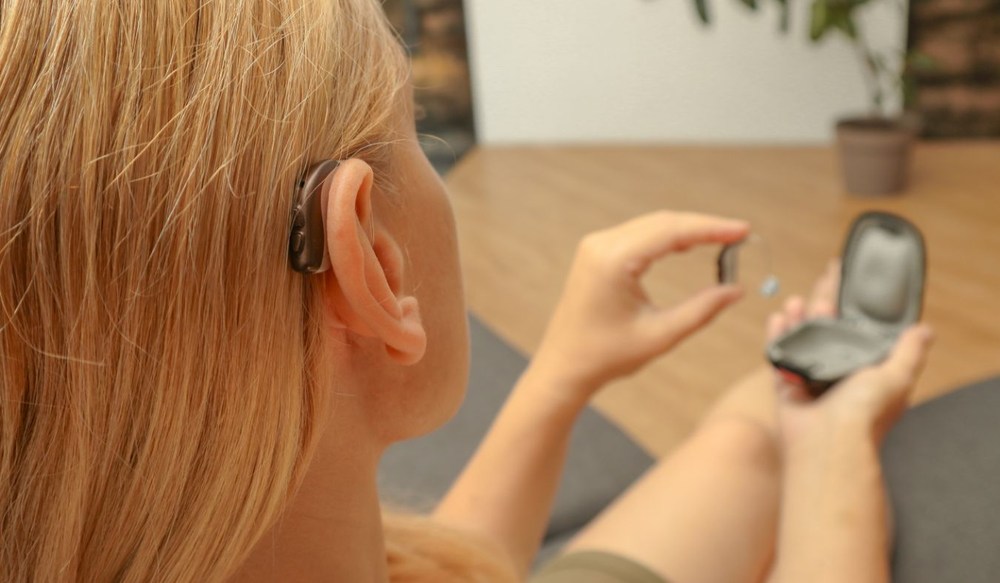
Hearing loss is a common issue, affecting people of all ages. While it is often associated with older adults, it can occur at any stage of life, including during childhood. When hearing loss develops early, it can influence speech and language growth, learning in school and the ability to build social connections.

Recognizing the signs early and understanding what may be causing the problem is important for parents, educators and audiologists. The causes can range from temporary problems linked to common childhood illnesses to lasting conditions related to genetics or environmental factors. In many cases, timely evaluation and proper care from qualified professionals, like audiologists can help improve communication skills and overall quality of life.

How Children Hear and Why It Matters

Children learn about the world through sound. Their ears pick up noises, which are sent to the brain and understood as words, music or other sounds. This process is key for learning language, making friends and building skills for school and daily life. Watching how your child reacts to sounds at home or in public can help you spot hearing problems early. If your child doesn’t respond to loud noises or has trouble following conversations, consider scheduling a hearing checkup with an audiologist.

How Genetics Affect Hearing in Children

Genetics can have a strong influence on a child’s hearing, sometimes even before birth. Certain inherited traits can affect how the ear forms or how well the auditory system works. In some situations, hearing loss is present at birth due to a genetic condition, while in others it may develop gradually over time. These genetic influences can impact the inner ear’s ability to detect sound, the auditory nerve’s ability to send signals to the brain or the structures of the outer and middle ear. Because these changes happen on a biological level, they are not always noticeable without specialized testing.

Not all genetic-related hearing loss is the same, and its effects can range from mild to severe. Some children inherit conditions that directly cause hearing loss, while others have genetic traits that make them more likely to experience hearing problems from illness, noise exposure or certain medications. Learning about a child’s genetic background can help families and audiologists identify potential risks early. With this understanding, they can schedule regular hearing checkups and begin early treatment when necessary to support the child’s communication and learning needs.

How Ear Infections Can Change a Child’s Hearing

Ear infections are a common reason children may have trouble hearing. When fluid builds up behind the eardrum during an infection, sounds can seem muffled or harder to hear. This type of hearing loss is usually temporary, but frequent or long-lasting ear infections can sometimes cause more lasting issues.

Repeated ear infections may also make it harder for a child to learn new words and sounds. Since clear hearing is important for language development, any changes caused by ear infections should be checked by an audiologist. Allergies and colds can also cause fluid buildup in the ears, increasing the risk of these problems.

Blocked Ears from Earwax Buildup

Earwax buildup is a surprisingly common reason some children experience temporary hearing problems. While earwax helps protect the ear by trapping dust and debris, too much of it can block the ear canal and make sounds seem muffled. Children may be more prone to this if they use cotton swabs, which can push the wax deeper instead of removing it. In most cases, earwax-related hearing loss is easy to treat once it’s identified, but it still needs to be handled carefully. An audiologist can safely remove the blockage, often restoring normal hearing right away.

Childhood Illnesses That May Lead to Hearing Loss

Some childhood illnesses can have a lasting impact on hearing, especially when they affect the ears or the nervous system. Conditions such as chronic ear infections, measles, meningitis or severe flu can cause inflammation or damage to the structures involved in hearing. In some cases, fluid buildup from repeated ear infections can temporarily reduce hearing, while more serious illnesses may cause permanent changes. The risk often depends on how quickly the illness is treated and whether complications develop. Recognizing and addressing these health issues early can help protect a child’s hearing and support healthy speech and language development.

Dangers of Loud Noise

Children’s ears are still developing and are more sensitive to loud noises than adult ears. Sounds from music players, fireworks or power tools can cause lasting hearing loss if they are too loud or last too long. Protect your child’s hearing by keeping the volume down on headphones and using ear protection in noisy places. These simple steps help keep their ears healthy as they grow.

Problems with the Structure of the Ear

Some children experience hearing loss because of issues with the structure of their ears. These problems can affect the outer ear, middle ear or inner ear, making it harder for sound to travel properly. For example, a child might be born with a small or misshapen ear canal that blocks sound from reaching the eardrum. In other cases, the bones in the middle ear, which help carry sound vibrations, may not develop correctly or may become stiff, reducing their ability to transmit sound. Even if the inner ear is healthy, these structural problems can still cause hearing difficulties. Identifying these issues early is important so that appropriate treatments or devices can be used to help the child hear better.

Ways Families Can Help Protect Their Children’s Hearing

Families play a crucial role in protecting their children’s hearing by creating safe and healthy environments. Simple actions, like encouraging kids to wear ear protection at loud events or limiting the volume on headphones, can make a big difference. It’s also important to be aware of common risks, like frequent ear infections or exposure to secondhand smoke, and to address these with the help of audiologists. Regular hearing checkups, especially for children with a family history of hearing issues, can catch problems early before they affect learning and communication. By staying informed and proactive, families can help ensure their children maintain good hearing throughout their lives.

Supporting Healthy Hearing for Every Child

Early detection of hearing loss can make a big difference in your child’s growth and learning. By knowing common causes like ear infections, loud noises or certain illnesses, you can take steps to protect your child’s hearing each day. Watching for signs like trouble following conversations or not reacting to sounds is important.

If you notice any changes in how your child hears or responds to sound, schedule an appointment with an audiologist. Early support helps your child stay connected at home and school and supports healthy development as they grow.