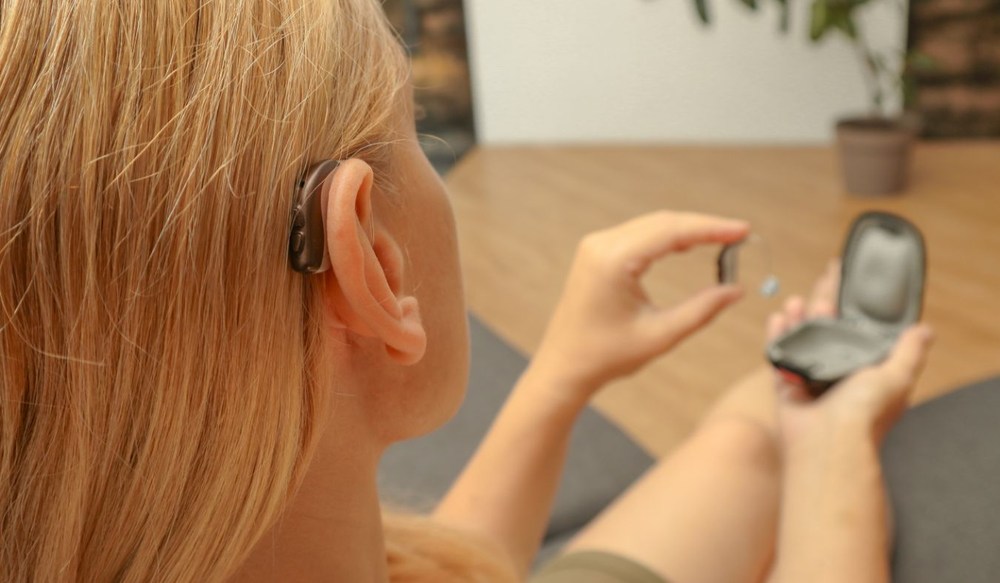
Earwax might not seem like a major part of hearing health, but it plays a more important role than many people realize. This natural substance helps protect the ears by trapping dust and debris, while also keeping harmful bacteria from reaching deeper into the ear canal. Although it’s often seen as something that needs to be removed, earwax is usually managed by the body without the need for outside help. Having a better understanding of how earwax works can help you make more informed choices about your hearing health.

What Is Earwax?

Earwax is a natural part of how the body maintains ear health. It forms in the outer part of the ear canal from a mix of secretions and dead skin cells. Rather than being a problem, it plays an important role by trapping small particles like dust before they reach the deeper parts of the ear. This helps reduce the risk of irritation or infection that can come from foreign material entering the ear.

Besides acting as a barrier, earwax also protects the delicate skin inside the ear by keeping it from becoming dry or cracked. This natural moisture prevents discomfort and can even help reduce the chance of minor injuries inside the ear canal. While some earwax is completely normal, it’s best to leave it alone unless it causes a blockage or symptoms. In most cases, the ears manage it on their own without the need for frequent cleaning.

How Earwax Affects Your Hearing Health

Earwax serves as a natural barrier, preventing dust and other small particles from reaching the eardrum. This protective function is crucial as these foreign bodies can cause damage to the delicate structures within the ear that are responsible for processing sound. In some cases, earwax can build up more than necessary and start to cause issues. When it becomes hardened or accumulates too much, it may block the ear canal and interfere with normal hearing. This can result in sounds seeming dull or muffled, which may feel like a temporary hearing loss.

While it may be tempting to remove excess wax at home using cotton swabs or other tools, this can often push wax further into the canal and worsen blockages. If you’re experiencing symptoms related to excessive wax build-up like decreased hearing or discomfort in your ears, it’s always best to consult with an audiologist who can safely manage and remove any problematic wax.

Understanding the Impact of Excessive Earwax on Your Hearing

How does excessive earwax affect your hearing? This is a question that many people often overlook.

Excessive earwax can lead to a condition known as cerumen impaction. This happens when too much wax accumulates in the ear canal, causing a blockage. You may experience noticeable hearing loss or discomfort. In addition to hearing loss, symptoms of cerumen impaction can include tinnitus, dizziness and even coughing. If you’re experiencing any of these symptoms, it’s important to consult with an audiologist right away. They can safely remove the excess wax and provide guidance on how to prevent future build-up.

Debunking Misconceptions About Earwax and Hearing Wellness

One common myth is that earwax is a sign of uncleanliness. This couldn’t be further from the truth. In reality, earwax is a natural substance produced by your body to protect your ears from dust, dirt and other small particles. Another widespread belief is that using cotton swabs or other objects can effectively clean out excess wax. However, these methods can often do more harm than good. They can push wax deeper into your ear canal and potentially damage your eardrum or cause a blockage. Proper ear care generally doesn’t require intrusive cleaning methods. In most cases, the ears are able to manage earwax naturally and interfering too much can do more harm than good.

Home Remedies for Managing Too Much Earwax

When earwax begins to build up and causes mild discomfort or muffled hearing, there are a few home remedies that may help manage the issue safely. One common method is using over-the-counter ear drops made specifically to soften earwax. These drops often contain ingredients like hydrogen peroxide or saline, which can help break down hardened wax, making it easier for the ear to clear naturally. It’s usually recommended to lie on your side when applying the drops so they can reach deeper into the ear canal and remain in place for a few minutes before draining out.

Another simple approach is using warm water during a shower to gently rinse the outer ear. While standing under the water, letting a small amount enter the ear and then tilting your head to allow it to drain can assist in loosening wax near the surface. Afterward, drying the outer ear gently with a towel is enough – there’s no need to insert anything into the canal. These methods should only be used if you have no other symptoms like pain or hearing loss and are simply dealing with excess wax build-up. If these methods don’t bring relief or symptoms persist, it’s best to avoid further self-treatment and schedule a visit with an audiologist.

When to Consult an Audiologist for Earwax Issues

The first sign that you might need to consult an audiologist is if you’re experiencing persistent discomfort or pain in your ears. Another key indicator is noticeable changes in your hearing ability like muffled sounds or difficulty understanding speech. These could be signs of excessive earwax buildup or other underlying issues that require professional attention. An audiologist can examine your ears and determine whether professional removal is necessary. They use tools and techniques that are safer and more effective than at-home methods, reducing the risk of injury or further blockage. By recognizing these signs early on, you not only protect your ears but also maintain the quality of life that comes with optimal hearing health.

If you notice a buildup of earwax, it may be time to schedule an appointment with an audiologist. An audiologist can assess your ears and provide the right solution for your specific needs. If you would like to learn more about earwax schedule an appointment with an audiologist.