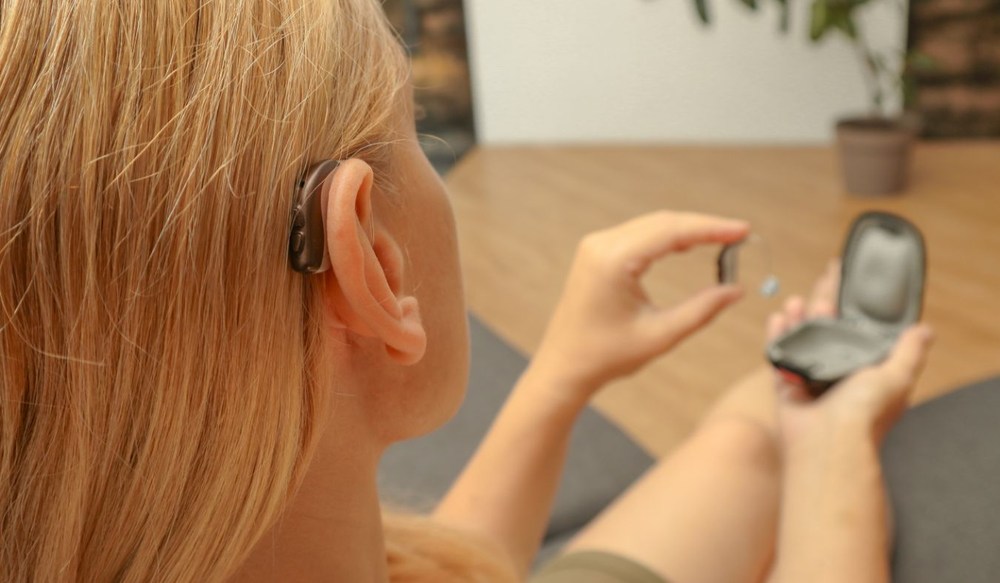
When you begin exploring hearing aids, one of the first decisions you will face is whether to choose rechargeable models or those that use traditional disposable batteries. Both options are designed to help you hear more clearly and comfortably, but they differ in how they fit into your daily routine.

Some people enjoy the simplicity of charging their hearing aids overnight, while others appreciate the flexibility of carrying spare batteries for quick replacements. Your daily habits, comfort with technology and lifestyle all play a role in finding the right fit.

Understanding the main differences between these two types, you can select a hearing aid that supports your needs and lets you focus on what matters most.

What Are Rechargeable Hearing Aids?

Rechargeable hearing aids are devices that use built-in power sources instead of disposable batteries. Rather than replacing small batteries every few days, you place the hearing aids in a charger, usually overnight, so they are ready to use the next day.

This setup can feel more convenient for many people, especially those who prefer a simpler routine or find handling small batteries difficult. Rechargeable models are now common across many hearing aid styles and are designed to support regular daily use without frequent power interruptions.

When charged regularly, they provide steady power throughout the day, which can reduce sudden shutoffs during conversations or activities. Many individuals also like that rechargeable options reduce the need to keep spare batteries on hand, whether at home or while traveling.

While charging becomes part of the daily routine, it often feels more predictable and easier to manage over time. For people looking for a straightforward way to keep their hearing aids powered, rechargeable devices offer a practical option that fits well into everyday life.

How Do Battery Powered Hearing Aids Function?

Battery powered hearing aids use small disposable batteries to supply steady power throughout the day. Once the battery is inserted, it sends energy to the hearing aid’s internal parts, allowing the microphones to pick up sound and the speaker to deliver it to your ear.

The battery provides consistent support for sound processing, which helps keep volume and clarity stable during everyday activities. When the battery begins to lose power, you may notice weaker sound or intermittent performance, which signals it is time for a replacement.

These hearing aids are designed to make battery changes straightforward and predictable. Many people keep spare batteries on hand so they can quickly swap them out when needed, avoiding long interruptions in hearing.

Battery life can vary based on how often the hearing aids are used and the listening environments you are in, like quieter spaces versus busy areas. With regular checks and simple care, battery powered hearing aids can provide reliable performance that fits easily into a daily routine.

Key Features of Rechargeable and Battery Powered Hearing Aids

Rechargeable hearing aids come with built-in batteries that you can charge each night, similar to charging a phone.

You do not need to worry about carrying extra batteries or stopping during the day to change them. Many rechargeable models also include portable charging cases, which can be helpful when you are traveling or have a busy schedule.

Battery powered hearing aids use small disposable batteries that you replace every few days or weeks, depending on how much you use them. Swapping out a battery is quick and can be done almost anywhere.

Both types provide clear sound and offer features like wireless connectivity and noise reduction. The choice often comes down to what feels most convenient for your daily routine.

Environmental Impact of Each Option

Rechargeable hearing aids help reduce waste because they use fewer disposable batteries over time. This can be better for the environment, as fewer batteries end up in landfills.

Battery powered hearing aids require regular replacement of small batteries, which can add up. Some battery brands offer recycling programs for used batteries, which can help reduce environmental impact if you choose battery powered devices.

Maintenance and Long-Term Care for Both Options

Proper care helps your hearing aids last longer and work better. Whether you choose rechargeable or battery powered devices, regular cleaning, safe storage and careful handling are important.

Understanding the basics of maintenance for each type can help prevent common problems and reduce the need for repairs.

Matching Your Hearing Aid Choice to Your Daily Habits and Needs

Your daily routine plays a big role in deciding which type of hearing aid will work best for you. Some people like the habit of charging their devices each night, while others prefer the flexibility of carrying spare batteries.

Consider these questions as you make your choice:

Do you travel often or spend long hours away from home?

Are you comfortable handling small batteries?

Would you rather plug in your hearing aids at night than change batteries during the day?

Do you use features like Bluetooth streaming that may drain power faster?

If you value convenience and simple routines, rechargeable hearing aids may be a good fit. If flexibility and being able to quickly swap out a battery matter more to you, battery powered models might suit your needs better.

How to Know Which is Right for You

Choosing between rechargeable and battery powered hearing aids often comes down to how you prefer to manage daily routines and what feels most practical for your lifestyle.

Some people like the simplicity of placing hearing aids in a charger each night and not worrying about spare batteries, while others prefer the flexibility of swapping a battery if power runs low during the day.

Your schedule, comfort with handling small items, access to charging and how often you travel can all play a part in the decision. Talking through these habits with an audiologist can help narrow the options and point you toward a choice that fits naturally into your day without adding extra hassle.

Finding the Hearing Aid Option That Works Best for You

Selecting between rechargeable and battery powered hearing aids depends on your daily habits, comfort with technology and what feels most convenient for you. Both types offer reliable sound quality and helpful features to keep you connected with others.

If you have questions or want to learn more about which option fits your needs, schedule an appointment with an audiologist. They can help you find the right option for your specific needs.