When people think about hearing loss, they often assume it affects both ears. However, some individuals experience hearing loss in only one ear, a condition called unilateral hearing loss. This can occur from birth or develop later in life due to different causes. Learning about unilateral hearing loss helps you understand how it influences the way you hear and interact with your environment. An audiologist can assess your hearing and suggest strategies or devices that address these challenges. Whether the condition is recent or long-standing, knowing more about it allows you to make informed choices about care and find ways to stay engaged in conversations and daily activities.
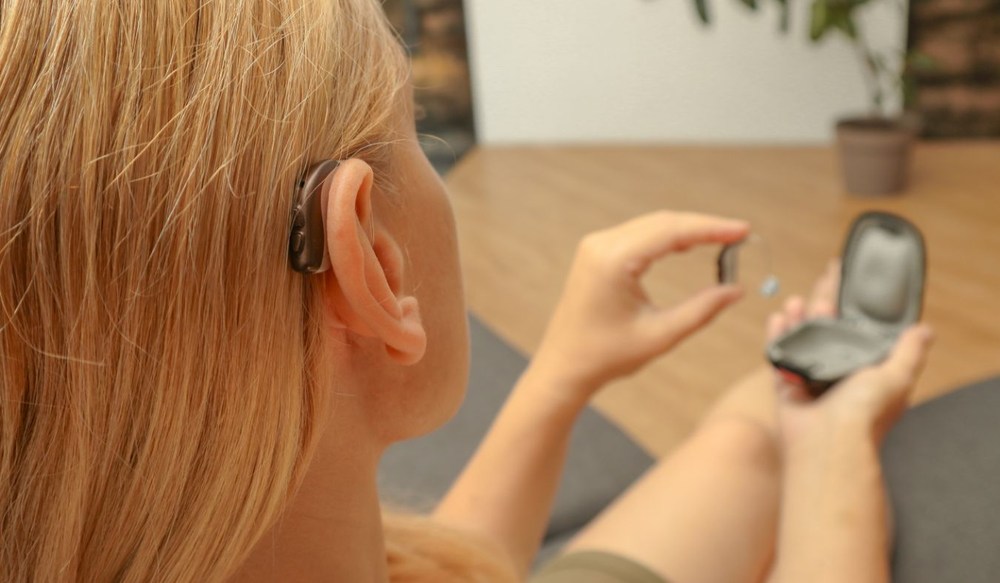
What is Unilateral Hearing Loss?

Unilateral hearing loss refers to a reduction or loss of hearing in just one ear while the other ear maintains normal or near-normal hearing. This condition can appear at any age and may be present from birth or develop later due to injury, infection, sudden hearing changes or other medical conditions. Unlike hearing loss in both ears, unilateral hearing loss can be harder to notice initially, as the unaffected ear often compensates for the loss, making everyday listening seem normal. Despite this, the difference in hearing between the two ears can create unique challenges in processing sound, locating where it’s coming from and understanding speech, especially in noisy environments.

People with unilateral hearing loss may find certain daily tasks more difficult, like following conversations in crowded rooms or determining the direction of traffic when crossing the street. This type of hearing loss can also impact social interactions, leading to occasional frustration or fatigue from trying to focus on sounds with one ear. Understanding this condition is key to managing its effects and maintaining confidence in daily activities.

The Way Your Ear and Brain Process Sound Together

Your ears and brain work together to help you understand the world around you. When both ears pick up sound, your brain uses information from each side to identify where noises come from and separate speech from background noise.

With hearing loss in one ear, your brain receives less information. This can make it more difficult to tell which direction a sound is coming from or to focus on someone speaking in a noisy setting. Your stronger ear may have to work harder, which can lead to fatigue during long conversations.

Reasons You Might Experience Hearing Loss in One Ear

Several factors can lead to hearing loss in one ear. Common causes include earwax buildup, ear infections or injuries to the head or ear. Other reasons may involve certain illnesses, sudden changes in pressure or aging. Some people develop hearing loss in one ear due to problems with the nerve that carries sound signals to the brain.

Understanding these causes allows you to seek help sooner and may prevent more serious issues. However, finding the exact reason can take time and may require different tests or treatments depending on what is discovered.

Signs You May Notice With Hearing Loss in One Ear

You might find yourself asking people to repeat themselves, especially if they are on your weaker side. Turning your head so your better ear is closer to the person talking is another common sign. Watch for these signs:

  • Trouble hearing sounds or voices on one side.
  • Difficulty telling where noises are coming from.
  • Needing to turn up the volume more than usual when watching TV or listening to music.
  • Missing sounds like alarms or doorbells on your affected side.

How Hearing Loss in One Ear Can Change Daily Life and Safety

Hearing loss in one ear can subtly change the way you experience everyday life and affect your sense of safety. Locating where sounds are coming from becomes more difficult, which can make activities like crossing streets, driving or listening in busy environments more challenging. Conversations in noisy settings may require extra effort, leaving you feeling fatigued or frustrated more quickly. Even routine activities, like talking on the phone or watching television, can feel different when one ear is less effective at picking up sound. Recognizing these impacts helps you take steps to adapt, whether through communication strategies, positioning yourself for better listening or exploring hearing solutions that support both safety and daily interactions.

How Audiologists Test and Identify Unilateral Hearing Loss

Audiologists use a variety of tests to determine if hearing loss is present in one ear and to assess its severity. These evaluations typically begin with a standard hearing exam where each ear is tested separately using tones at different pitches and volumes. Additional tests may include speech recognition assessments and specialized procedures that help pinpoint how well the affected ear processes sound. Carefully analyzing the results, audiologists can identify whether hearing loss is unilateral and distinguish it from other types of hearing issues. Understanding the specific nature of the loss allows them to recommend targeted strategies or devices to help improve hearing and daily communication.

Treatment Choices for Managing Hearing Loss in One Ear

There are several options for managing hearing loss in one ear, and the best choice depends on your needs and lifestyle. An audiologist can help you understand which options may work best for you based on the type and cause of your hearing loss.

Some people benefit from wearing a hearing aid in their weaker ear, while others may try a device that sends sound from the affected side to the better ear. Bone-anchored hearing devices or special wireless systems can also help in certain cases. An audiologist will explain each option and answer any questions you have. With the right support, many people find they can hear better and feel more confident each day.

Helpful Tips for Living with Unilateral Hearing Loss

Adjusting to unilateral hearing loss takes some practice, but small changes can make daily life easier. Many people find that simple adjustments help them communicate better and feel more comfortable in social situations. Let friends and family know which ear hears best so they can sit or walk on that side during conversations. Using good lighting and facing people while they speak makes it easier to read lips and notice important cues.

Taking Steps Toward Better Hearing in Everyday Life

Learning about unilateral hearing loss is an important step toward improving your quality of life. If you notice signs like trouble hearing on one side, difficulty knowing where sounds come from or needing to turn your head during conversations, consider scheduling an appointment with an audiologist. Early testing and guidance can help you find solutions that fit your needs and help you stay connected in daily life.

Support from an audiologist can make activities safer and more comfortable. If you have questions about unilateral hearing loss or want an expert opinion on next steps, our clinic is here to help you make informed choices about your hearing health.